DIY vs. Professional Pressure Washing: What’s Best for Elk Grove Homeowners?
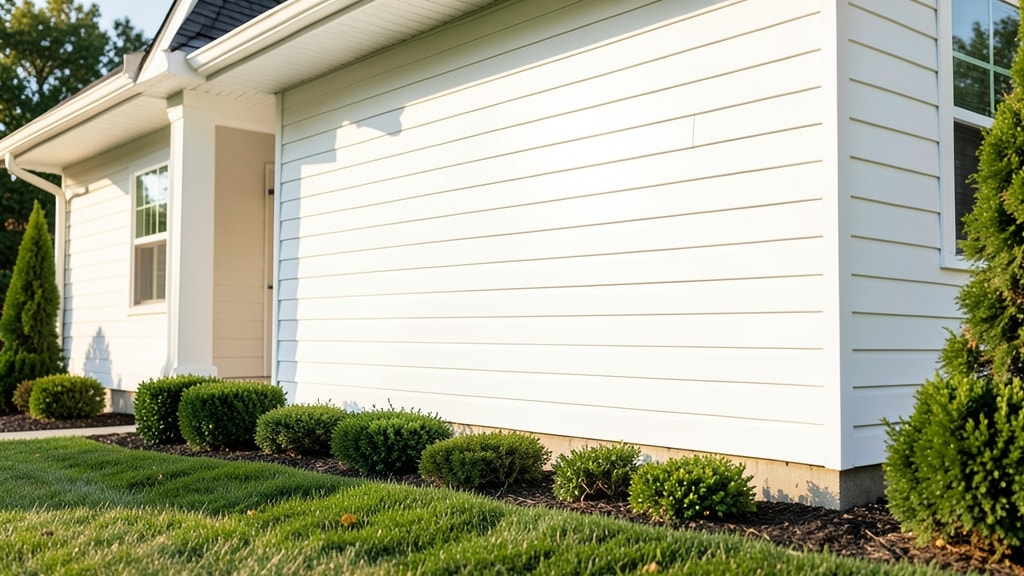
Elk Grove’s hot summers and damp winters leave driveways, siding, and decks coated in grime, mold, and pollen. DIY pressure washing can tackle small jobs, but one wrong setting or technique can damage surfaces or even void warranties. We break down when to roll up your sleeves and when to call in our team for results that last.
Why Pressure Washing Matters in Our Climate
The Sacramento Valley’s mix of dry heat and winter moisture creates the perfect storm for dirt, algae, and mildew buildup. Regular washing isn’t just about curb appeal—it prevents long-term damage to siding, decks, and concrete.
Left unchecked, organic growth like mold and lichen can degrade sealants and stain surfaces permanently. Even new homes in neighborhoods like Vineyard or Florin see rapid buildup without maintenance.
DIY Pressure Washing: Pros and Pitfalls
Renting or buying a pressure washer gives you control over timing and small projects. It’s ideal for cleaning patio furniture, small concrete areas, or prepping a fence for staining.
But most homeowners underestimate the learning curve. Using the wrong PSI (pounds per square inch) or nozzle can etch concrete, strip paint, or damage softwood decks. Even the angle of the spray matters—too direct, and you risk gouging surfaces.
This ultra-narrow spray is powerful enough to cut skin and destroy most residential surfaces. Stick to 15°–40° nozzles for home use.
When to Call a Pro: Complexity and Safety
Multi-story homes, steep driveways, or delicate surfaces like stucco or roof shingles demand professional equipment and training. Our team uses soft wash systems for roofs and siding—low-pressure applications with specialized detergents to kill mold without harming materials.
Commercial properties in Rancho Cordova or Galt often require graffiti removal or large-scale concrete cleaning, which DIY units can’t handle efficiently. Pros also carry liability insurance, protecting you if accidents occur.
DIY vs. Professional: Key Differences at a Glance
The right choice depends on your project’s scope, surface type, and risk tolerance. Below, we compare the two approaches across critical factors.
| Factor | DIY Pressure Washing | Professional Pressure Washing |
|---|---|---|
| Upfront Cost | Lower (rental/equipment purchase) | Higher (service fee) |
| Equipment Power | Limited (consumer-grade PSI) | High (commercial-grade 3000–4000+ PSI) |
| Surface Risk | High (user error common) | Low (trained technicians) |
| Time Investment | High (learning curve + labor) | Low (efficient, experienced crews) |
| Detergent Use | Basic (retail cleaners) | Specialized (eco-friendly, surface-specific) |
| Safety | Moderate (personal risk) | High (insured, OSHA-compliant) |
| Warranty Impact | May void manufacturer warranties | Preserves warranties (proper methods) |
| Long-Term Results | Short-lived (missed spots, regrowth) | Long-lasting (deep clean, preventative treatments) |
Surfaces That Almost Always Need a Pro
Roofs require soft washing to avoid damaging shingles or voiding warranties. Even a light touch with a standard pressure washer can dislodge granules, shortening your roof’s lifespan.
Driveways with deep oil stains or etched concrete often need hot water pressure washers and degreasers—tools most DIYers lack. The same goes for graffiti removal, which may require chemical lift-off techniques.
Delicate materials like cedar shakes, old brick, or painted wood also fall into the pro-only category. Improper pressure can erode mortar, splinter wood, or peel paint.
Always test pressure settings on a small, hidden area. If the surface looks damaged or discolored after 24 hours, stop and call a pro.
The Hidden Costs of DIY Mistakes
Repairing damage from improper pressure washing can dwarf the cost of hiring a pro. Re-sealing a deck after stripping its finish, repainting siding, or patching etched concrete adds up fast.
Then there’s the time factor. A weekend project can stretch into weeks if you’re troubleshooting equipment or redoing work. Pros finish most residential jobs in a few hours.
What the Pros Bring to the Table
We invest in high-end equipment like hot water pressure washers, which cut through grease and oil far better than cold water. Our detergents are also commercial-grade, often eco-friendly, and tailored to specific surfaces.
Experience matters, too. We know how to adjust PSI for stucco in Florin versus composite decking in Wilton. Plus, we handle the messy parts—like hauling away debris or containing runoff to protect your landscaping.
Prepping for a Pressure Washing Project
Whether you DIY or hire us, proper prep ensures the best results. Clear the area of furniture, toys, and vehicles. Cover electrical outlets and sensitive plants.
For DIYers, check your equipment’s manual for PSI limits and nozzle recommendations. Fill the detergent tank with a cleaner suited to your surface—never use bleach on colored concrete or certain metals.
Pre-Wash Checklist
- Inspect surfaces for cracks, loose paint, or damage
- Trim back vegetation touching siding or roofs
- Close windows and seal gaps to prevent water intrusion
- Test pressure settings on a hidden area
- Wear safety gear (goggles, gloves, closed-toe shoes)
How to Safely Pressure Wash a Concrete Driveway
Concrete is durable, but it’s not invincible—here’s how to clean it without causing damage.
- 1Clear and Prep the Area
Remove cars, bikes, and debris. Sweep away loose dirt and leaves. Cover nearby plants with plastic sheeting if using detergent.
- 2Choose the Right Nozzle and PSI
Use a 25° or 40° nozzle and keep PSI between 2,500–3,000. Higher PSI can etch or pit concrete. Hold the wand 12–18 inches from the surface.
- 3Apply Detergent (If Needed)
For oil stains or heavy grime, use a concrete-safe degreaser. Apply with a low-pressure spray, let it dwell for 5–10 minutes, then rinse.
- 4Work in Sections
Start at the top of the driveway and work downward to avoid pushing dirt back over cleaned areas. Use overlapping strokes for even coverage.
- 5Rinse and Inspect
Rinse thoroughly with clean water. Check for missed spots or damage. Allow 24–48 hours to dry before sealing or parking vehicles.
Frequently Asked Questions
Can I pressure wash my roof in Elk Grove without damaging it?
Most roofs should never be pressure washed with high PSI. Soft washing—using low pressure and specialized detergents—is the safest method. DIYers often lack the equipment or expertise, so we recommend hiring a pro for roof cleaning to avoid voiding warranties or causing leaks.
How often should I pressure wash my home’s exterior?
In our climate, most homes benefit from annual washing to remove pollen, dust, and mildew. Areas with heavy tree cover or near agricultural fields (like parts of Galt or Wilton) may need it twice a year. Driveways and walkways can often go 1–2 years between cleanings unless they’re heavily stained.
What’s the difference between pressure washing and power washing?
Pressure washing uses cold water, while power washing uses heated water. The heat in power washing helps break down grease, oil, and stubborn grime—ideal for driveways or commercial spaces. Most residential jobs, like house washing or deck cleaning, only require pressure washing.
Is pressure washing safe for all types of siding?
No. Vinyl siding can usually handle low to medium pressure, but stucco, brick, and older wood siding are more delicate. Always use the widest nozzle (40°) and keep the PSI below 1,500 for these materials. When in doubt, soft washing is the safer choice.
Do I need to seal my deck after pressure washing it?
Yes, if it’s wood or composite. Pressure washing strips away old sealant and opens the pores of the wood. Allow the deck to dry completely (usually 48 hours in Elk Grove’s dry climate), then apply a quality sealant to protect it from moisture and UV damage.
Can pressure washing remove graffiti from my fence or wall?
It can help, but graffiti often requires chemical lift-off or specialized cleaners in addition to pressure washing. For stubborn or multi-layered graffiti, especially on rough surfaces like brick or stucco, professional graffiti removal services in areas like Rancho Cordova or Florin are your best bet.