How Dirty Patios and Pool Decks Become Safety Hazards in Elk Grove
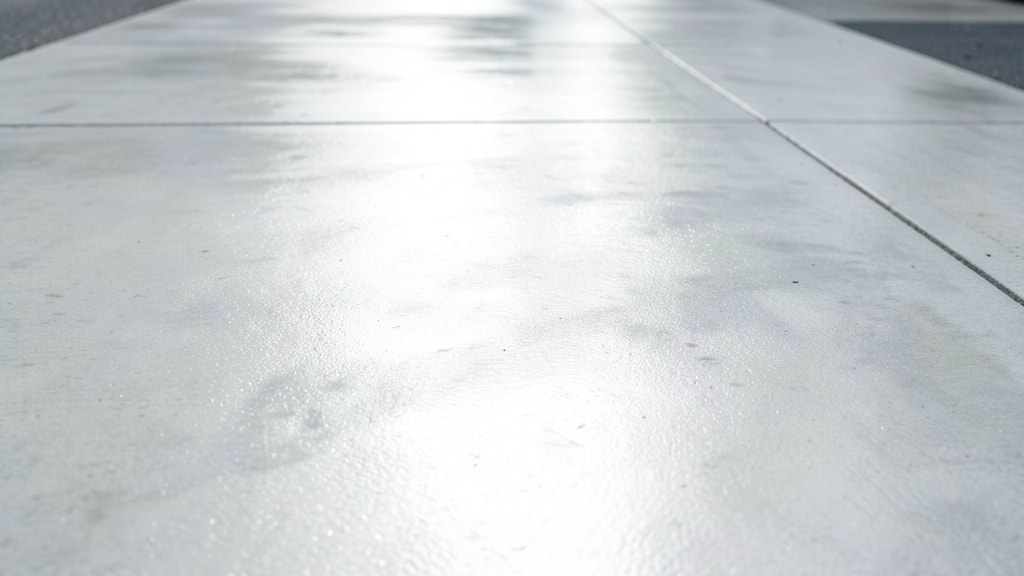
A patio or pool deck should be a place for relaxation, not risk. In our climate, constant sun and seasonal moisture turn these surfaces into breeding grounds for algae, mold, and slick grime—silent culprits behind slips, falls, and even long-term damage. We’ve seen firsthand how a thorough pressure wash restores both safety and curb appeal.
The Hidden Dangers Lurking on Your Outdoor Surfaces
Algae and mold thrive in Elk Grove’s warm, damp conditions, especially in shaded areas or near irrigation. These growths aren’t just unsightly—they create a film that reduces traction, turning a simple step into a fall risk.
Pool decks are especially vulnerable. Chlorine and water constant exposure accelerates grime buildup, while the smooth surfaces of concrete or pavers become treacherous when wet. Even textured finishes lose grip over time without proper cleaning.
Homeowners can be liable for injuries if neglected surfaces contribute to accidents. Regular cleaning isn’t just maintenance—it’s risk management.
How Dirt and Grime Accelerate Surface Damage
Dirt holds moisture against concrete, pavers, or wood, speeding up erosion, cracking, and sealer breakdown. Over time, this shortens the lifespan of your investment and leads to costly repairs or replacements.
For wood decks in neighborhoods like Vineyard or Wilton, trapped moisture fosters rot and warping. Composite decks aren’t immune—mold can stain and degrade the material if left unchecked.
Pressure Washing vs. DIY: What Elk Grove Homeowners Need to Know
Consumer-grade pressure washers often lack the PSI and GPM to deep-clean porous surfaces. Worse, improper technique—like using too much pressure or the wrong nozzle—can etch concrete or splinter wood.
Our team uses commercial-grade equipment and adjusts pressure based on the material. For delicate surfaces like stained concrete or aged wood, we switch to soft wash methods to avoid damage.
| Surface | Recommended PSI | Method |
|---|---|---|
| Concrete Patio | 2,500–3,500 PSI | Hot water + detergent |
| Pavers | 2,000–2,800 PSI | Medium pressure + sand infill protection |
| Wood Deck | 500–1,200 PSI | Soft wash with wood-safe cleaners |
| Composite Decking | 1,000–1,500 PSI | Low pressure + manufacturer-approved detergents |
| Stamped Concrete | 1,800–2,500 PSI | Wide-angle nozzle + gentle detergent |
The Role of Sealants and When to Reapply
Sealants add a protective layer against UV rays, moisture, and stains—but they don’t last forever. In our area, intense summer sun and winter rains break them down faster. A clean surface is essential before resealing; pressure washing removes contaminants that prevent proper adhesion.
For concrete, reapply sealer every 2–3 years. Wood decks may need it annually, especially if they’re exposed to pool chemicals or heavy foot traffic. Always test a small area first to ensure compatibility.
Use a penetrating sealer with a non-slip additive for pool decks. It enhances traction while resisting chlorine and salt damage.
Health Risks Beyond Slips and Falls
Mold and mildew release spores that can trigger allergies or respiratory issues, especially for kids, pets, or anyone with sensitivities. These contaminants cling to furniture, toys, and even clothing left outside.
In Rancho Cordova or Galt, where dust and pollen are common, pressure washing removes these irritants from surfaces before they’re tracked indoors. It’s not just about looks—it’s about air quality.
When to Call a Pro: Signs Your Patio or Deck Needs Attention
Visible black or green stains mean algae or mold has taken hold. If the surface stays wet long after rain, it’s a sign of poor drainage or a compromised seal. Discoloration, chalky residue (efflorescence), or a rough texture are red flags.
Don’t wait for the problem to worsen. Early intervention prevents permanent damage and keeps cleanup costs lower. Request a quote to assess the scope of work.
Time to Schedule a Cleaning If You Notice:
- Dark streaks or green patches
- Surface feels slick when wet
- White, powdery residue (efflorescence)
- Sealer peeling or fading
- Visible cracks or pitting in concrete
What to Expect During a Professional Patio or Pool Deck Cleaning
We start with a walkthrough to identify problem areas and determine the right pressure and cleaners. Furniture and plants are protected or moved, and we pre-treat stubborn stains with eco-friendly detergents.
The cleaning process uses hot or cold water, depending on the surface and contaminant. For wood, we may use a soft wash to avoid damage. Finally, we rinse thoroughly and inspect for any areas needing spot treatment or repairs.
How to Maintain Your Patio or Pool Deck Between Professional Cleanings
A little upkeep goes a long way in preserving safety and appearance.
- 1Sweep Regularly
Remove leaves, dirt, and debris weekly to prevent buildup. Use a stiff broom for textured surfaces and a leaf blower for hard-to-reach areas.
- 2Spot-Clean Spills
Address oil, grease, or food spills immediately with a mild detergent and water. For pool decks, rinse off chlorine or salt residue after heavy use.
- 3Inspect for Damage
Check for cracks, loose pavers, or warped wood monthly. Small repairs now prevent bigger issues later.
- 4Reseal as Needed
Monitor your sealer’s condition. If water beads on the surface, it’s still effective. If it soaks in, it’s time to reapply.
- 5Trim Nearby Vegetation
Overhanging branches or dense shrubs block sunlight and trap moisture. Keep plants trimmed to reduce shade and improve airflow.
Frequently Asked Questions
How often should I pressure wash my patio or pool deck in Elk Grove?
Most patios and pool decks need professional cleaning every 1–2 years, but high-traffic areas or homes near Florin’s agricultural zones may require annual service. Factors like shade, moisture, and surface type influence the timeline.
Can pressure washing damage my concrete or pavers?
Yes, if done incorrectly. Excessive pressure or the wrong nozzle can etch concrete or dislodge paver sand. Our team uses the right PSI and techniques for each material to avoid harm.
Is soft wash better than pressure washing for wood decks?
For wood, soft wash is often the safer choice. It uses lower pressure and specialized cleaners to lift dirt and kill mold without damaging the fibers. Pressure washing can be used on some wood decks, but it requires expertise.
Will cleaning my pool deck remove the texture that prevents slips?
No—when done properly, pressure washing cleans without altering the surface texture. In fact, removing slippery contaminants restores the original grip. We avoid abrasive methods that could smooth out textured finishes.
Do you offer sealing services after cleaning?
Yes, we provide sealing as a follow-up service to extend the life of your cleaned surfaces. Sealing enhances protection against stains, UV damage, and moisture—critical for Elk Grove’s climate.
What’s the difference between pressure washing and power washing?
Pressure washing uses cold water, while power washing uses heated water. The heat in power washing helps break down oils and grease, making it ideal for driveways or heavily soiled concrete. For patios and decks, we choose the method based on the contaminant and surface.